Author Archives: Om

Home / Articles posted by Om ()

Mysore Sightseeing
Mysore :  Mysore officially renamed as Mysuru, is the third most populous city in the state of Karnataka, India. Located at the base of the Chamundi Hills about 146 km southwest of the state capital Bangalore, it is spread across an area of 128.42 km.Mysore is noted for its palaces, including the Mysore Palace, and for the festivities that take place during the Dasara festival when the city receives a large number of tourists. It lends its name to the Mysore style of painting, the sweet dish Mysore Pak, the Mysore Peta (a traditional silk turban) and the garment known as the Mysore silk saree.

 Mysore palace #Mysore Palace

Revisit the glorious days of Wodeyar dynasty as you take a walk through the largest palace in India. Witness the splendid architecture and the glory of the past that will enthral the history lover in you. A home for all the tourists of Karnataka, Mysore palace is one of the most visited tourist destination in this state. The palace is decorated grandly every year during the world famous Dasara festival and the rich heritage of Wodeyar dynasty is witnessed during the celebration of this festival.

#Chamundi Hills

Chamundi hill makes it to the list of ‘must visit tourist places in Mysore’ as many tourists come to this hill to pay deference to Chamundi Devi. Within the city limits of Mysore this place is most known for the famous temple on its hill top. The temple was built in the 11th century and has been renovated and turned into a tourist spot.The most famous event that occurs here is the pooja during the Dasara festival, which happens in October every year. The temple is popularly known for its royal importance during the days of Mysore Wodeyars.

 Chamundi Hills
 St Philomena’s Church #St Philomena’s Church

With a history of over 200 years, St Philomena’s church is one of the most popular tourist places in Mysore. Not just in Mysore but this church is a well-known tourist spot in the entire state of Karnataka. Take a break from exploring the history, sooth your mind at this divine tourist spot in Mysore. Initially built as a small church was then reconstructed by Maharaja Krishnaraja Wodeyar IV. It is one among the largest Cathedrals in the whole of South Asia.

#Brindavan Gardens
The Brindavan Gardens are located just a level below the Krishna Raja Sagara dam. It is a major tourist attraction for all the Mysore and KRS dam visitors. It is also regarded as one of the most beautiful gardens in the state of Karnataka. The most popular and exciting experience at this garden is the musical fountain that is scheduled in the evenings. Being one of its kind, Brindavan Garden attracts tourists from across the world.
 Brindavan-garden
 Srirangapatna #Srirangapatna

With a majestic heritage of about 600 years Mysore becomes the cultural capital of Karnataka. Tour this highly rich historic place to revisit the glorious days of its existence.Along with touring the palaces of the Wodeyar dynasty in Mysore, you can explore Tourist Places near Mysore like the palace of Tippu Sultan at Srirangapatna. Alongside that, you can also take a tour to the toy factories of Srirangapatna and witness the magic in the hands of the toy makers.

Mysore Sightseeing
Loading image... Loading image... Loading image... Loading image...

North east states Sightseeing
North East States

Seven sisters of India: The Seven Sisters of India are relatively untouched, unexplored and isolatedstates of north east India. North East states are heavily forested and land of tribes peoples. These states are full of natural beauty,exotic places and wide variety of beautiful wild animals like rhinoceros, elephants and numerous species of birds. North east region consist of seven contiguous states Assam, Arunachal Pradesh, Manipur, Meghalaya, Mizoram, Nagaland and Tripura. Northeast India is ethnically distinct from the other states of India. Assam is the gateway through which the seven sister states are connected to the mainland. Sikkim, the only brother and some parts of North Bengal is also come under the north east India. India’s Northeast is one of South Asia’s hottest trouble spots.These seven sister states has major population of tribes peoples in India.

 elephant-falls

#Elephant Falls
Elephant falls is a combination of 3 rivers.
One of the British officers named it as Elephant falls after they saw a rock which resembled as an elephant. This rock was later destroyed due to earthquake. Ka Kshaid Lai Pateng Khohsiew was the name given by the Khasi tribe, meaning Three Steps Water Falls. Around 12kms from the outskirts of the capital city of Meghalaya, Elephant falls is advanced with the public transport for the visitors.

#Shillong peak
Shillong peak is considered as the most beautiful scenic place and also a romantic destination for newly weds and couples. Its a picnic spot and most visited.
 shillong peak
 wards-lake #Wards Lake
This place is surrounded with the beautiful view of flowers blooming in an array. Situated in the middle of the city is this pleasant lake with boating facility. One can enjoy boating or recess on the grass of the garden nearby and take a break from the busy life schedules.
#Lady Hydari Park
The is park is named after the first lady of this place. She was the wife of first governor of Shillong.
The park being spread over an area of more than a kilometre consists of a mini-zoo, a deer park and a play area for children. The park blossoms with a variety of of well bloomed roses, orchids and many other varieties of flowers. This park is dressed in Japanese style. This park is now managed by the forest department
 lady-hydari-park
 Nohkalikai fall

#Nohkalikai Falls
Nohkalikai Falls was one of the taller waterfalls in India. It made a dramatic free leap from a fairly well-forested drainage into a rocky base accompanied by a pretty blue pool. While Julie and I noticed that most of the waterfalls in the Cherrapunjee area had really lost their luster outside of the monsoon season, this waterfall seemed to have maintaind its perforance.I suspect that the relatively healthy drainage upstream of the falls was largely due to the moisture-retaining foliage that remained forested and untouched (though this might be threatened based on what we saw, which we’ll get into later). In fact, we even saw a pair of light flowing companion waterfalls making similar dramatic leaps off the escarpment. I’d imagine in wetter times, there could have been many more companion waterfalls flanking the main one.

 #Kaziranga National Park
A World Heritage Site, the Kaziranga National Park is one of the most, if not the most, visited attractions of Assam. Kaziranga National Park has over 1800 one-horned-rhinoceros roam freely through the dense jungles and vegetation of the park. The Kaziranga National Park was declared as a ‘Tiger Reserve’ in 2006 owing to the high density of tiger population in the park. Other exotic wildlife thriving in the national park includes elephants, water buffalos, and swamp deer. Birdlife International has declared Kaziranga National Park as an ‘Important Bird Area’ for conservation of avifaunal species. You can go for an hour long elephant ride through the rhinoceros populated areas. You can also try a thrilling jeep safari through the dense forests of Kaziranga.

 kaziranga_park
The Kamakhya Temple is a shakti temple situated on the Nilachal Hill in western part of Guwahati city in Assam, India. It is the main temple in a complex of individual temples dedicated to different forms of the mother goddess as the Dasa Mahavidya, including Bhuvaneshvari, Bagalamukhi, Chinnamasta, Tripura Sundari and Tara. It is an important pilgrimage destination for general Hindu and Tantric worshipers.  #Kamakhya Temple
Nestled on the top of the beautiful Nilachal Hil, Kamakhya Temple complex consists of about 20 temples – the largest and most visited being the temple of Goddess Kamakhya. The Kamakhya temple is one of the oldest and most sacred of the 51 Shakti Pithas. The temple comprises of four chambers – one garbhagriha and three mandapas. The garbhagriha is believed to contain the yoni of Goddess Sati fallen on the hill following the splitting of the Goddess’ dead body. You can reach the garbhagriha by narrow steep stone steps. The temple complex consists of individual temples dedicated to ten Mahavidyas: Bhuvaneshvari, Bagalamukhi, Chinnamasta, Tripura Sundari, Tara, Kali, Bhairavi, Dhumavati, Matangi and Kamal.

North east states sightseeing
Loading image... Loading image... Loading image... Loading image...

Pelling Sightseeing
Pelling : The pleasant little town of Pelling is famous for magnificent views of the snow-capped Kanchenjunga range, the third highest peak in the world. Pelling is about 130 Km away from Siliguri and 115Km from Gangtok, the capital of Sikkim, and is well connected by bus and jeep services.The Placid town pulls most of the visitors for its representative status in history, nature and culture of the state of Sikkim.

pemayangtse-monastery-pelling #Pemayangtse monastery

The Pemayangtse monastery was mainly built for ta-sang lamas or the purest monks, but it eventually grew in size and started serving all communities. The monastery houses much famous collection of ancient antiques, Buddhist idols, scriptures and sculptures. First floor of the monastery has a beautiful wooden sculpture of Sanghthokpalr.

#Khecheopalri Lake

Khecheopalri Lake is a sacred lake, located in the north-west direction of Pelling town. This lake is known by many names like the Wishing Lake, Kha-Chot-Palri and Sho Dzo Sho, which means Oh Lady, Sit Here. Considered holy by Buddhists as well as Hindus, this lake is thronged by devotees from around the world.  According to folklore, one day the deity Goddess Tara Jestum Dolma appeared in front of a monk and asked him to fill a vessel from the lake and assured to guide him. Submissively the monk did what he was told and the guidance brought him to the Khecheopalri Hill. There he was told to pray and pour the water from the vessel in the shallow lake after which, the lake magically filled and today is known as the Khecheopalri Lake.

 Khecheopalri Lake
 Khangchendzonga-falls- #Kanchenjunga Falls

Kanchenjunga Falls is a perennial waterfall and takes about an hour to reach. There are small steps which lead to the base of the water fall.

#Rabdantse Palace Ruins
When descending from Pemayangtse Monastery you can take a left turn and take a walk for 10 min to reach to the gateway of Rabdanse Ruins. The ruins lie hidden from the main road. The walk towards Rabdantse is through a forest area with some rare species of orchids and a few lakes. These lakes are also home to local carp fish. There are good views from the top of the ruins looking across the deep valley and to the Khang-chen-Dzonga ranges.
 Rabdentse-Palace
 rimbi waterfalls #Rimbi Waterfalls

Rimbi Waterfalls are approximately 12 km away from Pelling and further about 5 km from the Darap Village. They are situated along the banks of Rimbi River.These waterfalls lead into the Rimbi River,famous for activities like fishing.


#Darap Subba Village

Darap Subba Village is located 6 km away from Pelling on the way to Yuksum. This palace  in inhabited mainly by people from Limboo Community and a small number of families from mixed communities like Bhutias, Chettris, Tamangs, Rais, Gurungs and Lepchas.

 darap village

Pelling Sightseeing

Loading image... Loading image... Loading image... Loading image...

Uttrakhand Chardham

Uttrakhand Chardham

Economy: INR 33,500
10 NIGHT / 11DAYS Standard : INR 42,900
                                     Yamunotri – Gangotri – Kedarnath – Badrinath Deluxe : INR 54,500
Day 01             Delhi – Mussoorie (Approx. 7 Hrs drive)
Arrive Delhi airport/Railway Station. Pick up and depart for Mussoorie surface approx. 290Kms. Enroute visit Haridwar and attend the Ganga Arti (Har ki Pauri). After that Continue drive to Mussoorie. On arriving transfer to hotel & check inn at hotel. Overnight at hotel. ( Night Stay can also be made at Haridwar) Optional- Visiting Mansa Devi Tmeple in Haridwar                
Day 02           Mussoorie –Barkot- (95 KM Approx. 4 Hrs drive)
Morning after breakfast visiting Falls & Lake in  Mussoorie. After that depart for Barkot surface approx 90 kms. Kempty Falls on the way. Evening reach Barkot and check in into hotel & leisure. Overnight at hotel. Optional-  Visit local temples and market of Barkot.
Day 03           Barkot -Yamnotri –Barkot- (Approx. 1 hrs drive & trek 14 Kms/ 2 hrs)
Early Morning leave for Hanuman Chatti by surface approx. 46 Kms. Start your journey by trek or Jeep. Optional- Take a local jeep to reach Phool Chatti to shorten your trek by 5 Kms. On arrival Pool Chatti, start your day with a tough trek of 7 Kms .Arrive at Yamunotri and pray at the temple. Come back to Barkot in the evening. Overnight stay at hotel.
Day 04          Barkot – Harsil via Uttarkashi- (Approx. 5 hrs Drive)
After breakfast, Proceed to Harsil, a drive of 152 kms. En route, stop at Uttarkashi for lunch. On the way stop at Gangnani for a hot water spring dip. Continue drive towards Harsil, one of the most beautiful valleys in the world, and arrive at the Char Dham Camp, set amidst an apple orchard in Dharali village, 2 kms away from the Harsil cantonment. On arrival check in to hotel Overnight stay at hotel.
Day 05          Harsil – Gangotri – Uttarkashi (Approx. 1+2 hrs drive)
After breakfast 25 kms drive to Gangotri and on arrival take a holy dip in the sacred river Ganges, also called Bhagirathi at its origin. Perform Pooja after that and relax for some time in the lovely surroundings. Afternoon- drive to Uttarkashi surface approx 60 kms. check in to the Hotel. Overnight stay at hotel.
Day 06           Uttarkashi – Guptkashi ( Approx. 5 hrs Drive)
After a early breakfast, leave for Guptkashi surface approx. 145 kms. on the way see the heritage city of Tehri slowly sinking into the mighty waters of the Holy River Ganges, due to the construction of the Tehri Dam. After lunch continue your journey and today for the first time see the beautiful river Mandakini. Travel alongside the river to reach Guptakashi late in the evening. check in into hotel. Overnight stay at hotel.
Day 07         Guptakashi – Kedarnath – Guptkashi (Approx. 1 hrs drive & trek 14 Kms/ 4 hrs)
After breakfast pick up your packed lunch, and leave for Gaurikund (32 KMS drive-one way). On arrival start your journey on the tough trek ahead. Stop for lunch en route and continue, After freshen up, perform Pooja and also Darshan at Shri Kedarnathji. In the evening also visit Adi Shankaracharya Samadhi behind the temple. Return to Guptkashi. Overnight at Hotel.
Day 8           Guptkashi – Rudraprayag (Approx 2 Hrs 50 Kms)
After breakfast check out from the hotel, Proceed for Rudraprayag by road to reach the Rudraprayag. On arrival check in at hotel Overnight stay at Hotel.
Day 09        Rudraprayag – Badrinath (Approx. 4 Hrs Drive)
After breakfast Proceed for Shri Badrinathji by surface approx. 135 kms. On arrival take the holy Darshan and spend time visiting Mana village -the last village before the Tibetan border. Return to the hotel for dinner. Overnight stay at hotel,
 Day 10        Badrinath- Rishikesh (Approx 9 hrs Drive) 
After breakfast Proceed for Rishikesh by surface approx. 290 kms. On the way stop for lunch at Srinagar. Continue the journey and if time permits, visit Devprayag ( The confluence of rivers Alaknanda and Bhagirathi, which become the Ganga). Reach Rishikesh. Check in Hotel. Evening visit Laxamn Jhula and Ram Jhula and see the evening arati. Overnight stay at hotel.
 Day 11        Rishikesh – Haridwar –Delhi (Approx 8 hrs Drive)
Morning depart for Delhi by surface approx. 290 kms. Enroute take darshat at Haridwar. After darshan continue drive for Delhi. Reach Delhi & drop at airport/Railway station
Package Rates are per person in INR and details as below

Rates Per Person Economy Standard Deluxe
Per Adult upto 2 Pax ( Per person rates) 33,500/- 42,900/- 54,500/-
Per Adult upto 4 Pax ( Per person rates) 26,500/- 35,900/- 48,500/-
Per Adult upto 6 Pax ( Per person rates) 21,500/- 30,900/- 42,900/-
Extra Adult 12,900/- 18,500/- 24,500/-
Child (5-11 Yrs.) 7,500/- 11,900/- 14,500/-
Food Included No Food Breakfast Breakfast
Taxi – Swift dzire upto 3 pax./ Innova for 4 Pax & above A/c A/c A/c
Hotel in Mussorie Mussoorie Gateway Hotel Shiva Continental Vishnu Palace  
Hotel in Barkot GMVN  Bungalows Devbhoomi Hotel Garhwal Palace/ River View Tourist Palace
Hotels in Harsil GMVN  Bungalows Nelangana Resorts Prakriti The Retreat
Hotels in Uttrakasi GMVN  Bungalows Shikhar Nature resort Shikhar Nature resort 
Hotels in Guptakashi GMVN  Bungalows Aadhya Villa Himalayan Comforts
Hotels in Rudrapryag GMVN  Bungalows Monal Resort Monal Resort
Hotels in Badrinath GMVN  Bungalows Dwarikesh Narayan Palace
 Hotels in Rishikesh GMVN  Bungalows Ganga Resort Hotel Ganga Kinare  
60 Days early Booking advantage 222/- 333/- 444/-
Lean Season Discount
From 1st Jan to 1st April
& 6th Nov to 31st Dec
06% 08% 12%
High Season Supplement 
28th April to 30th June
10% 18% 25%
Inclusions

  • Accommodation in above mentioned or similar hotels
  • Meals as per above Table
  • Private Transfers and Sightseeing as per the itinerary by AC Vehicle
  • Taxi cost includes Toll, Entry & Parking
  • GST on total land cost
   Excludes

  • Airfare /Train fare
  • Any meals other than specified in above table
  • Any sightseeing other than specified above
  • Entrance fees for any sightseeing and Guide charges
  • Any items of personal nature like tips, laundry, telephone calls etc.
Please Note :-

  • Vehicle is not at disposal. Kindly note that the drive is not a guide
  • If the above hotels are not available similar category hotels will be used
  • Itinerary and price is subject to change. Additional charges will be applicable for extra sightseeing
  • The quotation is based on Standard room. You can upgrade to a higher room category by paying an extra cost depending on availability
  • The hotel rooms are subject to availability. The above given prices are subject to change without prior notice
  • Hotel check in is 1400hrs. and checkout would be 1000hrs. Early check-in and late check-out subject to availability
  • Vehicle will be provided for transfers and sightseeing as per above table. Ask us for other vehicle options
 Uttarakhand Chardham : The Chardham Yatra in India is considered to be one of the most sacred. Yamunotri, Gangotri, Kedarnath and Badrinath collectively known as Chardham are the four holy places which are regarded as the most divine pilgrimages of the country. It is known as ‘Kedareshwar’ in the ancient Hindu scriptures. It is believed that the Chardham journey will cleanse a person of his sins and release him from the cycle of birth and death. All the four pilgrim centres are located in the Himalayan ranges of the Garhwal division. The yatra begins from left to right by visiting Yamunotri followed by Gangotri, Kedarnath  and Badrinath which completes the parikrama as per Hindu tradition.
kedarnath temple
 #Kedarnath
In between the spectacular mountain ranges lies one of the twelve Jyotirlinga of Kedar or Lord Shiva known as Kedarnath. It is at a height of 3584 meter on the head of the river Mandakini. Situated in the Rudraprayag district, Kedarnath is the main temple among the more than 200 temples found in this district. It is believed that the Pandavas after defeating the Kauravas, sought the blessing of Lord Shiva for penance. In an attempt to avoid them, Lord Shiva took refuge at Kedarnath in the form of a bull. When he was being followed, he dived into the ground, leaving behind the hump on the surface. The arms fell at Tungnath, face at Rudranath, belly at Madhmaheshwar and his hair with head appeared at Kalpeshwar. Hence these five shrines are known as Panch Kedar. The other places of visit in this district include Gaurikhund, Guptkashi, Shankaracharya Samadhi, Son Prayag and Koteshwar.
sri-badrinath-temple
#BadrinathThe Badrinath temple is protected by two mountains Nar and Narayan. The visitor can have a beautiful milieu of Badrinath from the Neelkanth Peak. Badrinath is situated in the Chamoli district of Garhwal division. It is believed that after being admonished by Narad for being engrossed in the worldly pleasures, Lord Vishnu had came to this place called Badri Van or the berry garden to meditate. Hence the main God here is the meditating Lord Vishnu. At the bank of the Alaknanda River, there is a hot water spring called ‘Tapt Kund’ that faces the temple. Visitors can enjoy a refreshing bath here. The temple is built in the form of a cone with a small cupola of gilt bull and spire. The temple is opened for visit in AprilMay every year and remains closed during winters in the third week of November. The temple has three parts  Garbha Grih (The Sanctum Sanctorum), Darshan Mandap (for pujas) and Sabha Mandap (for devotees to assemble).Other places of visit in this district include Hemkund Saheb, Gopeshwar and Prayags.
gangotri-temple
#Gangotri
Gangotri, also located in the Uttarkashi district, lies at a height of 3048 meter. It is about 99 km from Uttarkashi. The shrine was built in the 18 th century by Gorkha General Amar Singh Thapa. The temple which is placed on the left bank of Bhagirathi is visited by lakhs of pilgrims every year. One can find many ashrams on the opposite side that offer accommodation to visitors.
 
yamunotri
#Yamunotri
Yamunotri, located in the Uttarkashi district, is a place of supreme importance in the Chardham Yatra. It lies at an altitude of about 3235 meter. It is located opposite to Gangotri. The road is divided at a place called Dharasu which comes between RishikeshUttarkashi and leads to Yamunotri. The temple is accessible through Mussourie and Barkot as well.

Uttrakhand Chardham

Loading image... Loading image... Loading image... Loading image...

Gangtok Sightseeing

Gangtok : Gangtok, the capital city of Sikkim is located on a ridge at a height of 5500 feet. With a spectacular view of the Khangchendzonga, the town provides the perfect base for travel through the state. Once an important transit point for traders traveling between Tibet and India, it is today a busy administrative and business centre and presents an interesting mix of cultures and communities.

hanuman tok #Hanuman Tok

Hanuman Tok is a famous temple in Gangtok dedicated to Lord Hanuman. The temple is situated at an altitude of approximately 7200 feet on the upper reaches of Gangtok and is known for its serene atmosphere and surreal vista of mighty Kanchenjunga. Visitors need to climb stairs to reach the top where the temple is perched.The legend about the place suggests that Lord Hanuman halted for a rest here while carrying Sanjeevni to Lanka from the Himalayas. Touirsts and pilgrims gather at the temple in large numbers to pray and wish fulfilment. The idol of Lord Hanuman was erected here in 1950 when an officer named Appaji Pant had a divine dream at this location.

#Enchey monastery

Enchey monastery was later rebuilt in the year 1908 by the 10th King of Sikkim – Sikyong Tulku. The monastery follows an unique architecture which is an artistic adaptation of Gyanak Riwo Tse-Nga or the sacred mountain with five peaks in China – which is the spiritual place of Jampalyang. He is known as the god of knowledge to the northern Buddhists. The monastery is therefore one of the most recognized ones in the whole of Sikkim.

enchey-monastery
 drodul-chorten #Do Drul Chorten

Arguably the most popular stupa (a dome-shaped Buddhist shrine) in Sikkim, Do Drul Chorten was built in 1945 by a Tibetan Buddhist named Trulshik Rinpoche. Surrounded by 108 prayer wheels on which Buddhist mantras have been engraved, monks and tourists swirl the wheels, which is equivalent to completing 108 beads .

#Ban Jhakri Falls
Ban Jhakri Falls is a water fall located in Gangtok. This spectacular falls plunges from a height of 70 ft amidst lush green surroundings. Ban Jhakri Falls Energy Park, a well-maintained park has been built here. The ethnic tribes of Sikkim have a lot of faith in their local occults called Jhakris who have healing and magical powers and can influence the spirits to bring about good and evil. The park is filled with ethnic sculptures and figurines of the Jhakris who are seen healing the sick.A foot bridge built over the water stream and a dragon splash are other major attractions of this theme park.
 banjhakri_falls
 namgyal institute #Research Institute of Tibetology

Perched on the top of a beautiful hill, the Sikkim Research Institute of Tibetology was established in 1958 to promote research into the Mahayana sect of Buddhism and Tibetan language and culture. The institute was initially known as the Namgyal Institute of Tibetology after Late Palden Thondup Namgyal (the Chogyal of Sikkim). You can enjoy the views from the top of the hill as well as learn a lot about the norms and traditions of Mahayana Buddhism and Tibetans. The institute also plays host to one of the world’s largest collection of Buddhist books, rare manuscripts and Tibetan cloth paintings called thangkas.

#Tashi View Point

Tashi View Point constructed by the King of Sikkim, Tashi Namgyal, is located at a distance of 4 km from Gangtok. Adorned with a park on its top, this view point is one of the best places in entire Sikkim to enjoy beautiful view of Mount Kanchenjunga. In addition, the Phodong Monastery and the Labrang Monastery located on the opposite hills can also be seen from the Tashi View Point.

 Tashi View Point

Gangtok Sightseeing
Loading image... Loading image... Loading image... Loading image...

kalimpong Sightseeing
Kalimpong : Kalimpong, the famous hill station is situated at an altitude of 1250 metres.The beautiful mountain scenery and the abundance of flowers have made Kalimpong an attractive resort. The lifestyle of the local people reflect the social and religious influence of its neighbouring nations like Nepal, Tibet, Sikkim and Bhutan. Kalimpong excels in producing orchids, amaryllis, rose, cacti, dahlias and gladioli for. The climate of Kalimpong is pleasantly cool throughout the year with warm summers and cool winters.

 deolo hills #Deolo Hill
Deolo Hill, located to the north-east of the town, is one of the two hills in between which the town of Kalimpong stands. The hill is also the highest point of Kalimpong town, with a height reaching up to 1,704 metre above mean sea level. Out of the three water reservoirs located within the destination, two of which are primary source of drinking water, are located atop this hill.From the top of this hill, tourists can enjoy beautiful views of the surrounding villages of Relli valley and Teesta River along with the town of Kalimpong. In addition, there is a park located at the summit of this hill, which is constructed for recreational purposes.
#Mangal Dham
Mangal Dham, a temple located in the beautiful town of Kalimpong, was built in 1993. The temple was constructed by Shri Krishna Pranami, a Hindu sect and in the memory of late Guru Shri 108 Mangaldasji. Sprawling over an area of 2 acres of wooded land, this temple is dedicated to Lord Krishna.In addition, the Mangal Dham temple also houses the idols of Prannath, Raj Shyamji and Mangaldasji, which are present on the top floor of this temple. This floor also has pictures depicting several scenes from the lives of Lord Krishna and other patron saints of the temple. The idol of Mangaldasji is on the ground floor of this temple.
mangal dham
 DR. GRAHAM'S HOMES #Dr. Graham’s Home
Dr. Graham’s Home was founded in 1900 by Dr. John Anderson Graham. Located on the lower slopes of Deolo Hill, this educational institution is sprawling over an area of 500 acres. In addition, the institution also houses farmhouse, bakery, dairy, poultry, hospital and clothing department.A festival called May Fair is organised every year at this Graham’s Home. This institution is still supported partially by charitable collections and sponsors from all across the globe.
#Durpin Dara
Durpin Dara, located at an altitude of 1,402 metre, is known for its beautiful views. It is an observatory point, which is located approximately 3 kilometre from the town. Tourists visiting this place can enjoy beautiful views of the Himalayan ranges. Durpin Dara, easily accessible by car, is the highest point in Kalimpong. In addition, this observatory point also offers views of the plains along with River Teesta.
 durpin dara hills
 pineview-nursery- #Pine view Nursery
Flower Nurseries are in abundance in Kalimpong, as the place is famous for cultivation of horticultural plants. These flower nurseries are engaged in beautiful and exotic flowers. It is the only place in entire West Bengal where a number of commercial flower nurseries are located.One of the most famous flower nurseries located in Kalimpong is Universal Nursery, which is located at a distance of approximately 3 kilometre from the town.
#Golf Garden
This golf course is said to have 18 holes and is situated in scenic hillside in the place named Kalimpong. This club prospers with the Indian Army officer’s golf activities and the purpose of the club is maintaining the fitness of army professionals for performing certain activities at high altitude. This club is a wonderful spot for watching charming views of the surroundings and taking snapshots. From this place one can relish beguiling of the Durpin monastery. The excellent maintenance of this club and the presence of lush green backyards attract many tourists to this club. The rolling hilly land makes the golf club a demanding field. This also serves a place to have an excellent position from where photographs of the beautiful Durpin monastery can be taken. Tourists who are interested in playing golf here are supposed to take permission from the army post. The tourists are advised to take their golf kit along with them because there is no availability of the kit to be hired here.

 golf garden

Kalimpong Sightseeing
Loading image... Loading image... Loading image... Loading image...

Darjeeling Sightseeing.

Darjeeling : Darjeeling is a town and a municipality in the Indian state of West Bengal. It is located in the Mahabharat Range or Lesser Himalaya . It is noted for its tea industry, the spectacular views of Kangchenjunga, the world’s third-highest mountain, and the Darjeeling Himalayan Railway, a UNESCO World Heritage Site. Darjeeling is the headquarters of Darjeeling district which has a partially autonomous status within the state of West Bengal.

 Ghoom monesty #Ghoom Monastery & Batasia Loop

Nestled at a distance of approximately 8 km from the heart of Darjeeling, Ghoom Monastery is one of the major attractions in Darjeeling. The Ghoom Gompa was founded by a Mongolian astrologer/monk in the year 1875. The place is also well-known as Yogachoeling Gompa. One is greeted by a huge ‘Maitreya Buddha’ statue at the entrance gate of the Gompa. Visitors also find bells, ornate thanka scrolls as well as drums inside the Gompa.
Batasia Loop as the name suggests, is a loop or a spiral of a narrow gauge railway track where the Toy Train negotiates a sudden sharp descent from Ghoom. It’s a wonderful viewing place with manicured gardens, streams and falls, from where you can get a wide range view of the Darjeeling’s landscape, Kanchenjunga and the other Eastern Himalayan peaks.

#Tea Garden

Spread across a massive area of 437-acres, and situated at an elevation of 2,100 meters above sea level, the Tea Garden is one of the major tourist attractions in Darjeeling. The place is located a midst some of the most breath taking surroundings in India. It also houses one of the highest tea factory in the world and was established in 1854 by an Englishman and was later taken over by an Indian aristocracy from Hoogly.

tea-garden
 HMI #Himalayan Mountaineering Institute

HMI is a destination by itself and a said to be a pilgrimage for all climbing enthusiasts of the world. It was established in honor of Tenzing Norgay after he and Sir Edmund Hillary climbed the Everest in 1953. It has a well stocked museum with mountaineering displays and many expedition artifacts, a boarding school for mountaineering students, houses for the trainers, a restaurant, a souvenir shop and more. HMI is located on Jawahar Road or the Birch Hill that can be accessed from the Mall Road and Lebong Cart Road. One can actually walk down Mall road & then Jawahar road to reach HMI.

#Tibetan Refugee Self Health Centre
This center was established on October 2nd, 1959 for rehabilitation of Tibetans who followed Dalai Lama and escaped their homeland during the period of mayhem. In order to sustain living, they adopted the principle of self help. The center is located on a hill top that can be approached from the Lebong Cart Road. You can see Tibetan men and women making exquisite hand crafted items like woolen carpets, shawls, carved wooden crafts, leather items and more. There is an outlet at the center from where you can buy these items.
 Tibetan-Refugee-Self-Help-Centre
 japenese Temple #Ropeway & Japanese Temple

This is one way you can be part of special diverse offerings from the nature and all in one place. From the ropeway of Darjeeling which is also known as the Rangeet Valley Passenger Cable Car, you can have mind blowing view of the valley below, see the spread of lush tea gardens, dense forests, mountain streams in their full flow, waterfalls, and the awesome snow peaks at the background. Get off at a lower station and enjoy the tea estates, walk through the tea gardens, or just relax and enjoy the view around. It’s hard to find all these together in one place.
The Japanese Temple is built in traditional Japanese style where you can join the prayers and feel the spiritual peace amongst humming and chants. Close to it is the Peace Pagoda where there are four large avatars of Lord Buddha. The view from the top is magnificent. You can see the snow peak range from here including the Kanchenjunga.

#P.N. Zoological Park

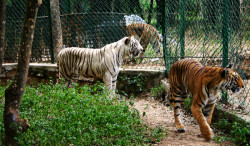
Known for its famous Red Panda and Snow Leopard breeding program, the Padmaja Naidu Himalayan Zoological Park is spread in an area of 67.56 acres. The zoo is located at an average elevation of 2,134 meters above sea level and is the largest high altitude zoos in India. Some of the rare and endangered species in the zoo are snow leopards, red pandas, Himalayan Salamanders, Tibetan wolf, Himalayan mountain goat and Siberian tigers.

 PN Zoological Park

Darjeeling Sightseeing
Loading image... Loading image... Loading image... Loading image...

Omakreshwar Sightseeing
Omkareshwar : Omakreshwar is a Hindu temple dedicated to God Shiva. It is one of the 12 revered Jyotirlinga shrines of Shiva. It is on an island called Mandhata or Shivapuri in the Narmada river; the shape of the island is said to be like the Hindu ॐ symbol. There are two temples here, one to Omkareshwar (whose name means “Lord of Omkaara or the Lord of the Om Sound”) and one to Amareshwar (whose name means “Immortal lord” or “lord of the Immortals or Devas”). But as per the sloka on dwadash jyotirligam, Mamleshwar is the jyotirling, which is on other side of Narmada river.

 omkareshwar temple #Omkareshwar Temple

The temple of Omkareshwar is one of the most popular pilgrimage spots in India. Situated on Mandhata island (shaped like the holy “Om” sign), the temple is considered to be one of the 12 Jyotirlinga shrines of Lord Shiva. Omkareshwar temple is closely associated with Mammaleshwar temple, as both these temples are deemed as single form of Lord Shiva. The island, formed on the course way of river Narmada, is 20 km from Mortakka in Madhya Pradesh.

#Mamaleshwar temple
Mamaleshwar temple is a very old temple. After stepping down in Omkareshwar Bus stand, There is a straight road to Narmada river ghat. After taking a holy dip in Narmada river we have to climb some steps up to reach Mamaleshwar temple. The way is fully occupied by stalls selling Bilwa patras, flowers, and sweet packets used to offer to Lord Parameshwar.
Near temple you can see some Pandas, performing Pardhiva Shiva linga puja. They will do Sahasra linga puja, that is worshiping 1000 shiva lingas. This is famous in Omkareshwar. They plant 1000 shivalingas on a wooden board and perform puja.
Mamaleshwar temple is not a big one. There is a hall and a sanctum. Lord Shiva is present in the center of sanctum. We can touch Mamaleshwar jyotirling and do Abhishekam to Shiva by ourselves. Idol of Parvati mata is present on the backside of Shivaling in the wall. There are many small temples of Lord Shiva around main temple of Mamaleswar.
mamleshwar temple
 satmatrika-temples #Saptha Mathrukas Temple

Satmatrika Temple is situated at about 6 km from Omkar Mandhata Temple. It is a group of temples said to be of 10th Century.
Saptha Mathrukas are called Satmatrika. They are seven goddess of kind heartedness who is famous among Hindu goddesses. They are also known as Akkamma, Akkayamma and many names. They are Brahmi, Maheswari, Koumari, Varahi, Narasimhi, Indrani and Chamundi. Here you will see the group of temples of these seven goddesses. It is of religious importance. Very rarely you will come across such temples. For having gone to Omkareshwar make it convenient to visit this holy shrine.

#Kedareshwar Temple
The temple of Kedareshwar is located at the confluence of the Narmada and Kaveri rivers. The  Kedareshwar Temple was built in 11th century A.D. and is popular for its architecture.
 Kedareswar-Temple
 ghat omkareshwar1 #Fanase Ghat
Fanase Ghat in Omkareshwar is one of the many bathing ghats on the River Narmada.On normal days one can see hundreds of pilgrims and holy men taking a dip in the river and meditating. On special days like Holi, Purnima and Diwali the number swells to thousands. The river will be full of boats ferrying pilgrims in and out.Ghat is clean and safe to take bath with necessary arrangements. The Boating option is also available with great natural site seeing. a peaceful place to enjoy scenic beauty and feel the religious value


#Gauri Somnath Mandir

Temple, containing a gigantic six feet tall shivlinga, around which as the legend goes two grow up persons embracing it cannot reach their hands unless they are a internal uncle and nephew (Mama-Bhanja). The lingam though very old of a smooth black stone with shinning polish. There is a sitting Nandi(Scared bull) of similar stone outside. As per legend if anyone looked into it he would see the figure of his next birth.

 gauri somnath temple

omkareshwar Sightseeing
Loading image... Loading image... Loading image... Loading image...

Maheshwar Sightseeing
Maheshwar : Maheshwar is a City in Khargone district of Madhya Pradesh state, in central India, the commercial capital of the state. The City lies on the north bank of the Narmada River. It was the capital of the Malwa during the Maratha Holkar reign till 6 January 1818, when the capital was shifted to Indore by Malhar Rao Holkar III.
 kaleshwar-temple #Kaleshwar Temple

The Kaleshwar temple is one of the bigger temples is just near the fort entrance from the river side in mahehswar. The carvings are beautiful and the guides insist on showing you the world’s longest snake!!! its a carved panel with a single snake motif turned and twisted.

#The Rajareshwara Temple

The Rajareshwara temple is popular as the temple of the 11 Akhand Jyoti Deepak. The lamps in the temple have burnt continuously. The carvings and sculptures are the architectural splendours of the temple. The ceiling of the temple is made up of mirror.

rajeshwara temple
 holkar fort #Holkar Fort

As the name precisely suggests, this was the opulent palace of Rani Ahilyabai Holkar which the reason why it is also known as the Queen’s fort. This fort was also the administrative headquarter of Rani Ahilyabai during her reign and currently it has been converted into a guesthouse, which is managed by the son of the last Maharaja of Indore, Prince Shivaji Rao Holkar.

#Narmada Ghat
Narmada Ghat is another off-beat destination in close proximity to the town of Maheshwar surrounded with lush green environs. It is a nice spot for picnicking and to enjoy a day off from all the worries and stress one has.
 narmada ghat
 rajwada #Rajwada in Maheshwar

Legend has it that this splendid architectural wonder was constructed under the rule of one of India’s most powerful female leaders, Rani Ahilyabai Holkar.Surprisingly, the edifice does not only display Maratha architectural styles but it also boasts of designs inspired from Mughal and French trends. One of the major attractions of this monument is the statue of Rani Ahilyabai standing tall right at the entrance.


#Jaleshwar Temple

Jaleshwar Temple is among those temples of Maheshwar, which are dedicated to Lord Shiva.  The presiding deity is worshipped as God of Water, which is counted among the various forms of Lord Shiva.
Idol of the presiding deity is in the form of Lingam and attracts various devotees. Moreover, the temple is also known for its carved overhanging balconies, architecture and its various spires. According to legend, Lord Shiva is believed to be the protector of earth from the fall of the water of River Ganga from heaven.

 jaleshwar temple

Maheshwar Sightseeing
Loading image... Loading image... Loading image... Loading image... Loading image...
Mandu Sightseeing

Mandu :  Mandu is a ruined city in the present-day Mandav area of the Dhar district. It is located in the Malwa region of western Madhya Pradesh, India, at 35 km from the Dhar city. In the 11th century, Mandu was the sub division of the Tarangagadh or Taranga kingdom .This fortress town on a rocky outcrop about 100 km from Indore is celebrated for its fine architecture.
 jahaz mahal #Jahaz Mahal (Ship Palace)

jahaz Mahal, also known as the Ship Palace was built in the 15th century by Ghiyas-ud-din, son of Emperor Mohammed Shah. The two storey palace lies between two artificial lakes, the Munj Talab and the Kapur Talab. This mahal was used by Ghiyas-ud-din as his harem. The palace has open pavilions, an open terrace and balconies. The Taveli Mahal, situated to the south of the Jahaz Mahal, has an antiquity gallery displaying fragments of vessels and utensils, along with some stone images that were found at this site.

#Rupmati’s Pavilion

Rupmati Pavilion, originally built as an army observation post, is a huge sandstone structure situated south of the Baz Bahadur Palace. Rani Rupmati, the queen of Baz Bahadur, used to live at this site. From here, she could see the palace and the Narmada River. It is also an ideal place for watching the sun set over the River Narmada.

rupvati pavalion
 -Hoshang_Shah-tomb #Hoshang’s Tomb

Hoshang’s Tomb is considered to be the first Indian marble monument, constructed in 1440. The tomb is square shaped and is situated near the Jami Masjid, in the Mandu City. It has a dome with towers, courts and marble latticework. The tomb of Hoshang Shah served as a template for Shah Jahan, while constructing the Taj Mahal.

#Dilawar Khan Mosque
The Mosque of Dilawar Khan, Mandu is, however, an unique example of the fusion of Muslim and Hindu style of architecture. It has a courtyard in the middle and the courtyard is in turn, encompassed by a colonnade. The prayer hall depicts amazingly bold influences of Hindu art forms in the ceilings, columns and gates. Built in 1405, it happens to be the earliest of mosques to have been erected here. The stones used in constructing the mosque, however, were salvaged from the desecrated temples.
 Dilawar khan mosque
 baz-bahadur-s-palace #Baz Bahadur’s Palace

Baz Bahadur’s Palace is located near Rewa Kund. In fact, water was supplied from the later to the former. While the Rewa Kund is at top of the hill, this palace is on the slope. Baz Bahadur’s Palace provides exceptional view to the place. There are numerous halls in the courtyard along with rooms on all four sides.


#Hindola Mahal (Swing Palace)

It is also known as Swinging Palace, which has a large meeting hall. Hindola Mahal has become one of the most visited sites in Mandu. According to available evidences, archaeologists say that it was most probably built during the rule of Hoshang Shah between 1425 and end of 15th century. It is considered as one of the palaces in the royal palace complex. Per available records, this was mainly used as an audience chamber. This place has a T-shape with the main hall being 30 meters in length, 18 meters in breadth, and 12 meters in height. It is because of the highly inclined buttresses ,this palace has got such a name. Main hall’s big flat roof was supported by 5 large ogee arches. Best part of this architecture is well proportioned boldness and simplicity.

 hindola mahal
 Rewa_Kund,_Mandu # Rewa Kund
A reservoir constructed by Baz Bahadur for the purpose of supplying water to Rani Roopmati’s Pavilion. The reservoir is situated below the pavilion and hence is considered an architectural marvel.

Mandu Sighseeing

Loading image... Loading image... Loading image... Loading image... Loading image...